
Top Raksha Bandhan Activities for Schools
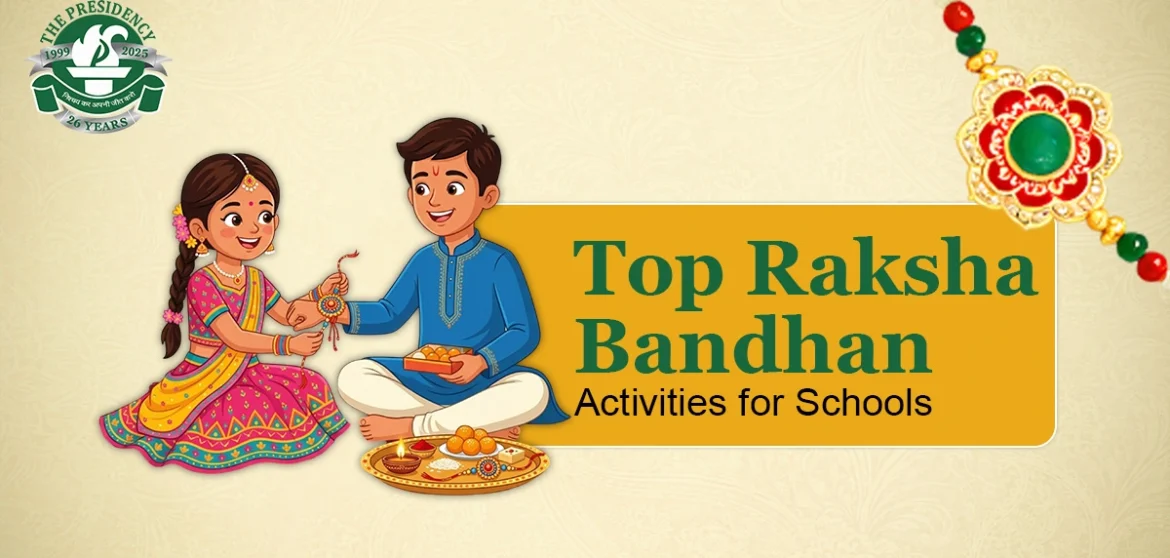
Top Raksha Bandhan Activities for Schools
The best Raksha Bandhan activities for schools mix hands-on craft (making rakhis), a small assembly or skit explaining the festival’s meaning, a rakhi-tying ceremony between students and simple classroom discussions on sibling bonds and gratitude. Together, these help children understand the festival’s roots while building teamwork and creativity in a fun setting.
Raksha Bandhan is one of those festivals that almost every Indian household looks forward to but schools have a slightly different role to play here. For a lot of children especially the younger ones, school is where they first hear the story behind the festival, tie their first rakhi to a classmate or make a card for a sibling who lives far away. That’s a big responsibility for schools and it’s why the activities planned around this day matter more than they might seem to on the surface.
If you’re a parent researching what your child’s school might be doing this year or a teacher looking for a fresh set of ideas, here’s a rundown of the Raksha Bandhan activities that tend to work best and why.
Why Raksha Bandhan Activities Matter in Schools
Before jumping into the “what,” it helps to talk about the “why.” Raksha Bandhan isn’t just about tying a thread on someone’s wrist. At its core, it’s about protection, trust and the bond between siblings, values that extend well beyond just brothers and sisters by blood.
When schools plan activities around this festival, they’re really doing three things at once:
• Teaching children about a cultural tradition in a way that feels hands-on rather than just read out of a textbook
• Encouraging bonds between classmates, seniors and juniors which often carry on well after the festival is over
• Giving students a creative outlet through craft, performance or storytelling which builds confidence in ways regular classroom teaching doesn’t always manage
This is also why so many schools treat it as more than a one-off event and instead try to fold it into their broader focus on personality development and well-rounded growth. If you’re curious about how these smaller activities add up over a child’s schooling years, our blog on how extracurricular activities help in personality development goes deeper into that connection.
Top Raksha Bandhan Activities for Schools
Rakhi-Making Workshops
This is probably the most common and most loved activity and for good reason. Handing students some thread, beads, sequins and a bit of glue and letting them design their own rakhi, does more than keep them occupied for an hour.
It works on their fine motor skills, patience and creativity all at once. Younger children get to experiment with colours and shapes, while older students can be pushed toward slightly more detailed designs, maybe even incorporating eco-friendly materials like seed paper or reused fabric.
Here are a few things that make this activity work well:
• Keep age groups in mind. What a Class 2 student can manage is very different from what a Class 8 student can attempt.
• Set aside time for students to talk about who they’re making the rakhi for. This small conversation often brings out sweet, personal stories.
• If possible, let students take their rakhis home the same day so the excitement doesn’t fizzle out waiting for the next school day.
Skits and Storytelling Sessions
Assemblies around festivals can get repetitive if the same format is used every year. A nice way to freshen this up is by having students perform short skits based on the mythological stories tied to Raksha Bandhan, like the tale of Draupadi and Krishna or Rani Karnavati and Emperor Humayun.
This isn’t just about entertainment. Preparing for a skit means students research the story themselves, rehearse together and figure out how to present it to an audience — all useful and transferable skills. For schools with a strong theatre or drama club, this can be one of the year’s highlight performances.
Classroom Discussions on Sibling Bonds and Values
Not every activity needs props or performances. Sometimes, the simplest exercises leave the deepest impression. A guided classroom discussion on what “raksha” (protection) really means today and how it applies beyond just blood siblings can lead to genuinely thoughtful conversations even among quite young students.
Teachers often find that students bring up things like protecting a friend from bullying, standing up for a classmate or simply being there for someone having a rough day. These discussions tie in naturally with the values-based learning that many schools already emphasise and they’re a good reminder that festivals can be teaching moments without feeling like a lecture.
Rakhi-Tying Ceremonies Between Students
In several schools, it’s become tradition for senior students to tie rakhis on their juniors or for the whole class to exchange rakhis with one another regardless of gender. This works particularly well in co-educational settings where it reinforces the idea of looking out for each other as classmates and friends not just siblings at home.
It’s worth noting that this kind of activity also plays into a school’s broader ethos around inclusive, mixed-gender learning environments.
Craft and Art Competitions
For schools that want to add a competitive element, art competitions around Raksha Bandhan themes work well. This could be poster-making on the significance of the festival, greeting card design for siblings or even a rangoli competition using festival colours and motifs.
Competitions like these tend to bring out a slightly different kind of engagement. Students who might not usually put their hand up for a skit or a discussion often shine here which is exactly why a mix of activity types matters. Not every child expresses themselves the same way and a good celebration plan should have room for all of them.
A Quick Note on Balance
One thing worth keeping in mind: not every activity needs to be elaborate. A short 20-minute rakhi-making session combined with a five-minute story explanation can be just as meaningful as a full-day event especially for younger grades where attention spans are shorter.
Remember, it’s often better to do two or three simple things well than to overload the day with back-to-back activities that leave both students and teachers exhausted by the end.
Conclusion
Raksha Bandhan in schools works best when it’s treated as more than just a day off from regular classes. Whether it’s a rakhi-making workshop, a skit on the festival’s origins, a heartfelt classroom discussion or a friendly art competition, each activity contributes something different — creativity, cultural understanding, confidence or simply a stronger sense of community among classmates.
At The Presidency International School, this thinking isn’t limited to just festival days. As one of the leading ICSE schools in Dehradun, the school has built its approach around the idea of “Rigorous Curriculum, Holistic Development and Personalized Attention” which is exactly the kind of balance that festivals like Raksha Bandhan call for.
Being a co-educational institution, the school is naturally suited to activities like rakhi-tying ceremonies that go beyond blood relations and encourage students to look out for one another as a community. With a strong focus on co-curricular participation alongside academics, students here aren’t just taught about values like protection, gratitude and togetherness in theory; they get to experience them through hands-on activities, performances and open classroom conversations. It’s this blend of academics and real, lived experiences that continues to shape confident, well-rounded students at The Presidency International School, year after year, festival after festival.